Home » Health » Japanese Encephalitis virus warning

Japanese Encephalitis virus warning

THE Royal Flying Doctor’s Service has encouraged residents throughout New South Wales to remain vigilant for Japanese Encephalitis.

JE is spread by mosquitos that have bitten an animal carrying the virus and then bite a human.

Most who contract the disease won’t experience symptoms, are at risk of severe illness and neurological complications.

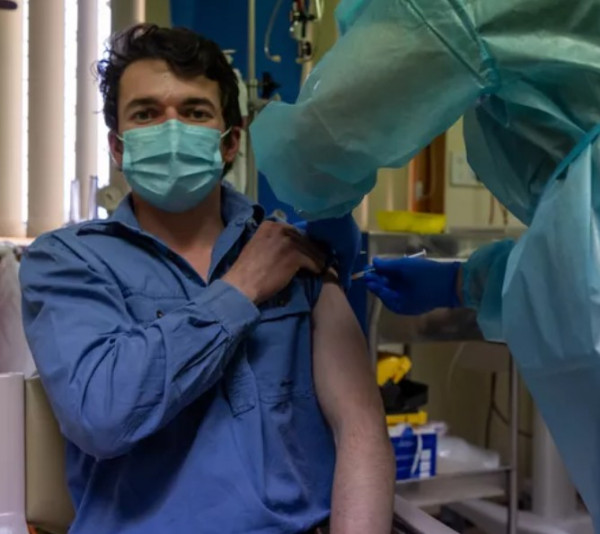
Dr Shannon Nott, chief medical officer for the South Eastern Section at RFDS said vaccination is the best way to reduce risk.

“Since vaccines became available in 2023 for residents in high-risk areas of NSW, the Royal Flying Doctor Service has played an active role in protecting the community from JE, and we continue to provide these services through our clinics in the West and Far West NSW,” he said.

“With the likelihood of increased cases in 2025 following recent detection of the virus in the Moree, Griffith and Narromine Shire regions of NSW, we are encouraging the community to take early and proactive steps to protect themselves from this virus and monitor for symptoms.”

Most at risk of catching the virus are people who work outside or participate in outdoor activities such as hiking, camping, fishing or gardening, and those who work or live close to piggeries.

Approximately one in every 250 people who have contracted JE may experience a severe infection, with symptoms including but not limited to fever, headache, vomiting, neck stiffness, disorientation, tremors, coma, seizures and paralysis.

The best ways to protect against the virus is to wear long sleeved clothing when undertaking outdoor activities or work, apply mosquito repellent to exposed skin and cleaning up stagnant water such as in empty outdoor containers.

It is free to be vaccinated through the RFDS clinic for Japanese Encephalitis, and only one vaccine is required. Those who aren’t RFDS clients can speak to their regular GP.
Digital Editions


  • Floodplain harvesting rules changed

    Floodplain harvesting rules changed

    THE New South Wales State Government has changed rules around floodplain harvesting in the northern basin, requiring the Menindee Lakes system to be at 250…

More News

  • Women giving their all

    Women giving their all

    TICKETS for the annual International Women’s Day Luncheon at the Astra are selling fast. The Broken Hill Domestic Violence Committee are once again hosting the International Women’s Day lunch on…

  • The legacy of the North Bowls Club

    The legacy of the North Bowls Club

    FOR more than 75 years, bowlers have gathered on the green at North Bowls Club, swapping stories as readily as they swap ends. Set at the base of the Line…

  • Baby returns high reading even after remediation

    Baby returns high reading even after remediation

    BROKEN HILL mum Ella Horsfall said she doesn’t know if she’ll ever feel safe with her children living here, knowing what she knows now about lead. Ms Horsfall’s one-year-old daughter,…

  • Two towns, different treatment

    Two towns, different treatment

    BOOLAROO, near Newcastle, was home to a major lead-zinc smelter until 2003. Lead-rich ore was delivered to the smelter from Broken Hill’s Pasminco mine. The industrial activity in the Boolaroo…

  • MP criticises toxicity response

    MP criticises toxicity response

    NEW South Wales Greens upper house MP Cate Faehrmann has been regularly visiting Broken Hill to learn about the lead problems, and said while the State Government commissions more reports…

  • Broken Hill and District golf results

    Broken Hill and District golf results

    South Broken Hill Golf Club Wednesday February 18– 9-hole stroke K Holmes 32 nett, J Miani 33 nett, R Rowe 35 nett. NTP: R Thomas 3.06m. Friday February 20 –…

  • Recycled art project finds new home

    Recycled art project finds new home

    THE much loved exhibition that turns trash into treasure, Waste 2 Art, has found a new venue in the Broken Hill City Art Gallery this year. The competition invites residents…

  • Maari Ma leaves local advisory

    Maari Ma leaves local advisory

    CHIEF executive of the Maari Ma Health Aboriginal Corporation, Richard Weston, said the corporation recently withdrew from the Broken Hill Environmental Lead Response Group, citing New South Wales Government inaction…

  • New report, same findings

    New report, same findings

    IN January, the New South Wales State Government’s chief scientist and engineer released a report called Reducing the health and environmental impacts of lead contamination in Broken Hill. Professor Hugh…

  • Broken Hill: lead by neglect

    Broken Hill: lead by neglect

    HEALTH workers, journalists and politicians are calling upon the New South Wales Government to act on high-blood lead levels in Broken Hill in light of multiple recent reports detailing the…