Home » Farming & Environment » Controlling pests, helping conservation

Controlling pests, helping conservation

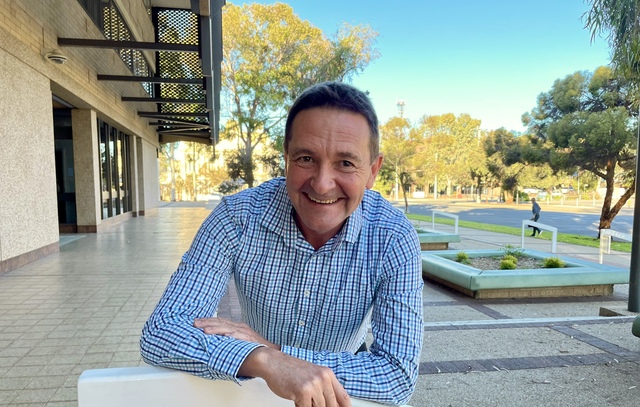
PEST control and conservation aren’t always considered interlinked, but Steven Johnstone and Jason Manning think the key to protecting biodiversity across the Far West lies in the management of invasive pest species.

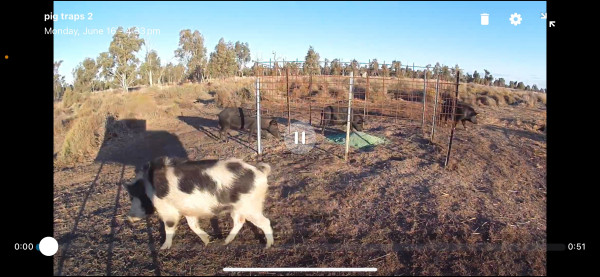
Mr Johnstone and Mr Manning are pest controllers on remote properties, working with landholders and land managers to keep numbers of pests like pigs and foxes down through baiting, shooting and trapping.

New technology like drones is assisting their ability to surveil properties to gauge pest numbers, which are then targeted using seasoned techniques such as baiting, trapping and shooting.

“The drones are used for surveillance, and then we also do a bit of shooting as well as trapping and baiting,” Mr Johnstone said.

He said that the majority of their work in the region is targeting feral pigs and foxes.

“They’re the biggest drama because a lot of people are lambing currently, and they target the fresh born lambs.”

The invasion of pest species not only wreaks havoc on stock, but is incredibly destructive to the landscape itself, according to Mr Johnstone.

“With the environmental side it affects the landscape itself,” he said.

“They’re uprooting native plants, they eat ground laying native birds, destruction along riverbanks. It’s unbelievable once you get into what they actually eat.”

While some landholders and managers are proactive when it comes to managing pests, Mr Johnstone said because the last few years have been great for feed, it’s important to remember to stay on top of surveilling for potential pests.

“The last four or five years we’ve had really good seasons, so the foot comes off the pedal a bit,” he said.

“There’s plenty of feed around and we can forget about what’s going on. One pig is too many. We can never eradicate them all that’s for sure, but we just really need to slow them down as best we can. So getting onto it early and consistently is important.”

Though baiting with poisons like 1080 can be controversial amongst environmentalists, Mr Johnstone said it’s generally the most cost effective method, and has little repercussions for native species.

“A goanna would need to eat more than two times its body weight of 1080 to be seriously affected,” he said.

“It’s the most cost effective way of doing it because if you went around shooting that many foxes, you’d be there forever and a day.”

Mr Johnstone and Mr Manning both run their own pest control businesses, however often work together on jobs.

Though they can’t be everywhere, Johnstone said he’s always happy to take calls from landholders and land managers to offer some advice when it comes to pest control.

“Our phones are always open for a chat, we can’t be everywhere but the awareness needs to be out there,” he said.

Mr Johnstone can be reached on 0409201836 and Mr Manning on 0458 770 897.

Digital Editions


  • Ore discoveries in the Far West

    Ore discoveries in the Far West

    EXPLORATION company Red Hill Minerals has announced it’s discovered unusual deposits beneath the Mundi Mundi Plains, approximately 100 kilometers north-west of Broken Hill, raising hopes…

More News

  • Small beginnings for the ‘People’s Draper’

    Small beginnings for the ‘People’s Draper’

    WHAT started with small beginnings turned into decades of trade and a name well-known still to this day. In 1954, the Barrier Miner recognised Pellew and Moore has having traded…

  • Farmers encouraged to register for help

    Farmers encouraged to register for help

    WITH extreme weather events occurring more regularly recently across Australia, farmers are being encouraged to register with Rural Aid, a charity assists in times of disaster with financial support, fodder…

  • Former local writes about the ‘magic years’

    Former local writes about the ‘magic years’

    FORMER local Robert McLean has written about the town’s ‘magic years’ from 1950 to 1970 creating a book that blends memoir and social history. McLean’s book, The Town Like No…

  • Actors needed at Theatre 44

    Actors needed at Theatre 44

    ANYONE considering adding acting to their list of hobbies to take up in 2026 is invited to attend Theatre 44’s open day between 4pm and 6pm on Sunday, where the…

  • Mining to start mid-year

    Mining to start mid-year

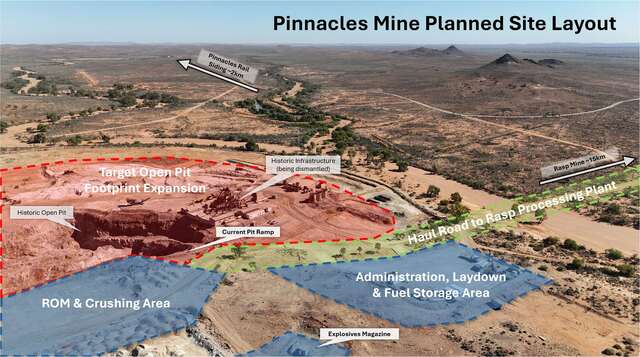
    Broken Hill Mines, BHM, is moving full steam ahead at the Pinnacles mine, with site preparation, drilling, and staff recruitment underway for a restart in June 2026. “Broken Hill has…

  • Broken Hill loses last bookie

    Broken Hill loses last bookie

    FOR the last decade and a half Doug Carroll held the title of the World’s Oldest Bookmaker – with talks of him going into the Guinness World Record book. Sadly,…

  • Smokies fast on residential fire

    Smokies fast on residential fire

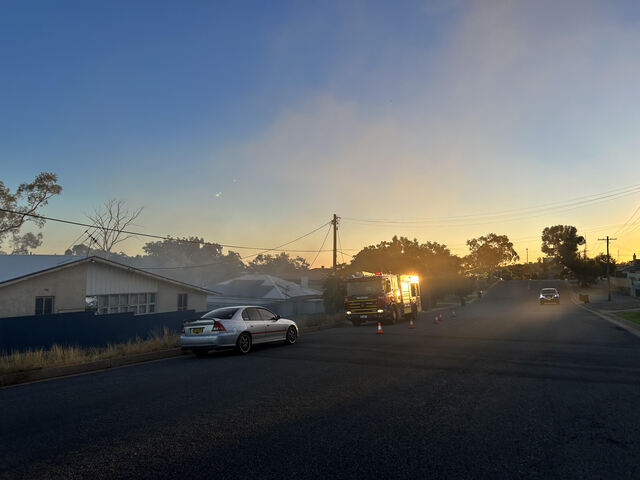
    FIREFIGHTERS were called to a fire on Cummins Street last week. The blaze appeared to break out at the back of the Cummins Street house on Thursday. Crews were quick…

  • Commitment to community honoured

    Commitment to community honoured

    TWELVE people were honoured at the Broken Hill City Council’s Australia Day Event with Australia Day Awards for their service to the community. Professor Ian Plimer, a geologist and author,…

  • Lease granted for new preschool

    Lease granted for new preschool

    A NEW preschool looks set to open in the coming weeks after a lease was approved for the space formerly occupied by Playtime Preschool. At Broken Hill City Council’s Ordinary…

  • Councillors forced to find their feet

    Councillors forced to find their feet

    NEW rules introduced by the New South Wales State Government will see councillors stand to speak in council meetings. At this month’s ordinary council meeting on Wednesday, the first for…